Latest insights
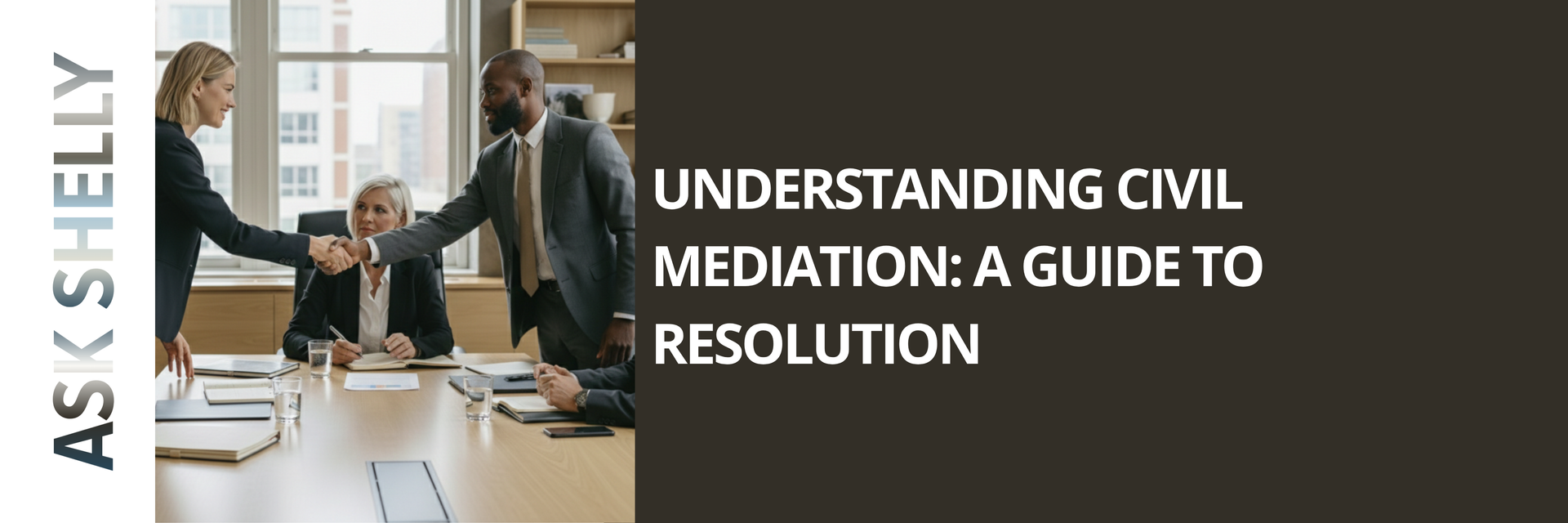
Understanding Civil Mediation: A Guide to Resolution
April 11, 2026
By Shelly Bouse
Understanding Civil Mediation in Personal Disputes

Key Highlights
- Civil mediation is a way to solve problems without going to court. It is voluntary and private. A neutral third party helps you through the mediation process. You do not have to bring a lawyer to civil mediation. This process is made so everyone can use it, giving you the option to join by yourself or with a lawyer. The mediation process lets you control the outcome of the dispute, which is different from having a judge make the decision in court.
- The mediation process puts you in charge of the outcome of the dispute instead of leaving it to the court.
- Mediation can save you money and time compared to going through litigation. It is a good choice for solving personal problems.
- Some common problems handled by this type of dispute resolution include family mediation, small claims issues, landlord and tenant problems, and probate matters.
- Mediation helps both sides talk and try to keep good relationships. The goal is for everyone to find a solution they can agree on.
- Any agreement made in mediation can become legally binding. This means both sides must do what they agreed to do.
When people have a problem with each other, it is not always easy to fix. Many people think they must fight about it in court. But, there is a different way. Mediation is a better and simpler way to handle dispute resolution. In the mediation process, you and the other person sit down together. A mediator joins to help both sides talk and find a good answer. The mediator does not take any side. He or she helps both of you feel heard and helps you reach an answer you both feel is fair. By learning how the mediation process works, you can find a peaceful option for dispute resolution. You do not have to go to court for a fair answer.
Mediation gives you a way to work with others and agree on what to do next.
The Basics of Civil Mediation in Personal Disputes
Civil mediation is a way of dispute resolution where a third party helps people in a conflict talk things out. The mediator is neutral. They do not decide who is right or wrong. The mediator is here to help you and the other person talk together and try to solve the problem. With mediation, you and the other person can make your own agreement.
Many people now use this way of working in the field of mediation. Civil mediation is private. It gives you detailed information. It does not feel as scary as going to court. In this process, people talk about both old problems and things they might need in the future. The main goal of the mediation process is to help you and other people find some common ground. Let’s look at what you can get from civil mediation and the problems it can help with.
What is Civil Mediation and How Does it Work?
Civil mediation is a way for people to fix disputes with help from someone who does not take sides. This person is called a mediator. Mediation is used in the court to let both sides talk and try to work things out before they go to trial. A judge may tell people to try mediation first. Many places use this step, including Kansas. Mediation lets people get dispute resolution done faster. The mediator does not decide for anyone. She helps both sides make an agreement that can work for them. Mediation does this without prejudice so the process is fair for all.
The mediation process is private, so people feel safe to talk honestly. You and the other person can share your views and look at what causes the conflict. Both of you then try to find answers together. The mediator keeps the talk steady and stops it from going off track. Working together like this is a big part of the field of mediation.
In the end, you get to decide what will happen. If you both like the solution you find, you can write it down, and it will become a legal agreement. If you do not agree, you can still go to court. The mediation process is there to help find a way that works for everyone. It can also help save relationships that may be hurt by litigation.
Common Types of Personal Disputes Resolved by Mediation
Mediation is a good way to solve many problems between people. It is very flexible and can help a lot, even in restorative justice cases. Mediation works well when people have to talk with each other, such as families, neighbors, or in business. The goal is to help everyone find a solution that works for all.
Many kinds of problems can be solved with mediation before they need to go to court in Douglas County. Family mediation can help with family issues or fights over money. A lot of people use this way for problems like child support or when there is a question about who gets time with the kids. Mediation also works for things like small claims and contract arguments. Mediation lets people fix their issues and stay away from the stress of going to court or dealing with litigation.
Here are some of the most common problems people solve by using mediation services:
- Family Conflicts: This can be about making a plan for your kids, child support, getting a simple divorce, or fights about parental rights after someone has passed away (probate).
- Small Claims: These are about money or things people or businesses say belong to them.
- Landlord-Tenant Issues: Fights about a lease, the security deposit, or how the landlord or tenant cares for the property.
- Neighbor and Community Disputes: These can happen because of things like where a property line is, too much noise, or other problems that come up where people live.
Choosing Civil Mediation: Benefits and Process
Choosing mediation for civil matters can be a good way to deal with your problems. This way of dispute resolution is often done under laws, such as the Dispute Resolution Act. A mediation center has people who know how to help both sides find common ground. They use proven ways to solve issues that work for most people.
The mediation process is made to be simple to join. It is there to help people feel better. Mediation lets you help fix the problem on your own, rather than have someone else choose for you. Knowing the good things about mediation, and what to expect when you go, will help you see if it is right for you.
Advantages of Civil Mediation Over Litigation
One good thing about picking civil mediation is that you get to keep control of the outcome of the dispute. In litigation, the judge or jury decides how things end. Mediation is different. Mediation sessions let you and the other person work together to make a deal that fits what you both want. This type of alternative dispute resolution is about working together. It is not about fighting against each other.
Mediation usually costs less than going to court. Mediation also takes less time because you do not have to deal with long court schedules or high lawyer fees. Mediation can be set up fast, and the problem can be solved much quicker. This leads to lower costs. Mediation is also private and kept secret. Going to court, or litigation, is not private, and the records are open to the public.
This way of solving problems often gives people higher satisfaction and better long-lasting agreements. Both sides work together to make the answers, so it helps. It also helps people talk in a better way. This can fix broken relationships, which is very important in family or community fights.
| Feature | Civil Mediation | Litigation |
|---|---|---|
| Control | Parties control the outcome. | A judge or jury decides the outcome. |
| Cost | Generally less expensive. | Can be very expensive. |
| Time | Faster resolution process. | Can take months or years. |
| Privacy | Confidential and private. | Public record. |
| Relationship | Aims to preserve and mend relationships. | Often adversarial and damages relationships. |
This is paragraph text. Click it or hit the Manage Text button to change the font, color, size, format, and more. To set up site-wide paragraph and title styles, go to Site Theme.
Other insights
More from BOUSE Mediation