Latest insights
Common Causes of Commercial Real Estate Disputes in Lenexa
May 11, 2026
By Shelly Bouse
Common Causes of Commercial Real Estate Disputes in Lenexa
Key Highlights
- Commercial real estate in Lenexa City Center can lead to various disputes, from breach of contract to landlord-tenant disagreements.
- Understanding the common causes of real estate disputes, such as unclear contract terms and construction issues, is the first step toward resolution.
- Commercial lease disputes are particularly common, involving issues like rent, maintenance, and lease termination.
- Alternative dispute resolution methods, such as mediation, offer a less adversarial path than traditional litigation.
- Negotiation and settlement require careful strategy and an understanding of your legal rights.
- Engaging a commercial real estate attorney can help you navigate the complexities of dispute resolution effectively.
The busy commercial real estate market in Lenexa City Center offers a lot of chances for businesses and people who want to invest. Still, these deals can be risky and hard to handle, which may cause disagreements. When real estate disputes happen, they can stop how things work and can cost a lot of money. It's important to know how to deal with these problems, so you keep your investments safe and your business running. This guide looks at common issues and good ways to solve them in Lenexa City Center.
Understanding Commercial Real Estate Disputes in Lenexa City Center
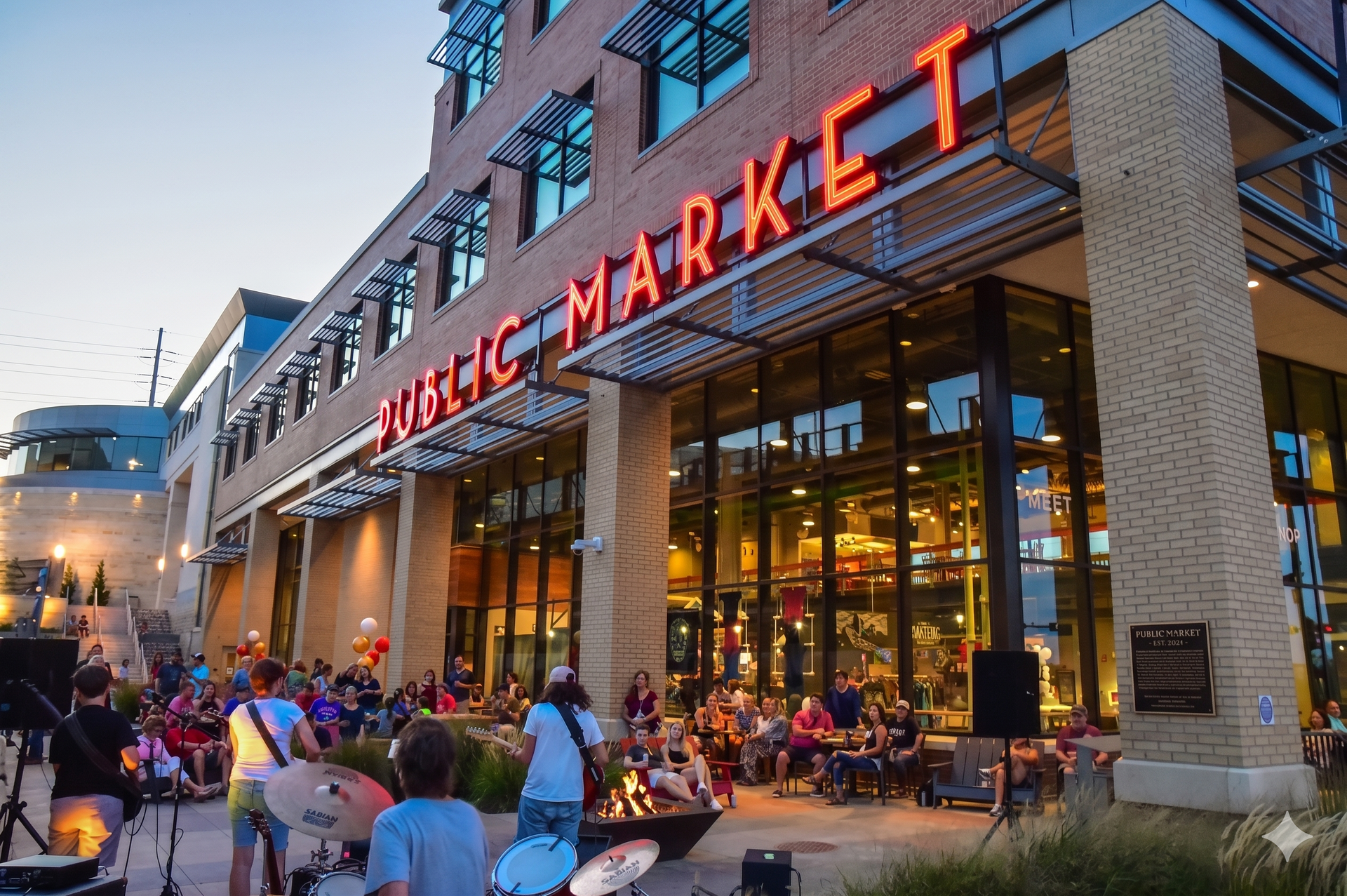
Commercial real estate disputes can happen in Lenexa City Center, where you will find places like Lenexa Farmers Market and the busy 87th Street Parkway. These kinds of problems with real estate often involve commercial property. They can affect property owners, tenants, developers, and people who invest in the area. Many real estate disputes develop because the contracts are complicated and the properties are worth a lot of money.
If the people involved can’t work it out, things can turn serious. That’s when you could see commercial real estate litigation. This is a court process, and it can take a lot of time and cost a lot of money. If you know more about the different types of disputes and what usually causes them, you can try to stop them before they start or know how to handle them if these real estate problems come up.
Main Causes of Commercial Real Estate Claims
Many things can cause problems in commercial real estate. Most of the time, these problems come from misunderstandings or from not following what is written in the deal. Real estate deals are often hard to handle. They include many people and a lot of paperwork. If the work is not done the right way, disputes can easily come up.
The biggest reasons for fights that end with legal action are:
- Breach of contract: This happens when someone does not do what they promised. For example, not paying on time or not finishing work as written in the deal.
- Construction disputes: Trouble can happen when building is delayed. Other problems are if the costs go too high or the work isn't good enough.
- Title and boundary disputes: There can be arguments about who owns the property. People might also not agree about where the property lines are. These issues can stop real estate deals and turn into big legal fights.
Giving wrong or missing information is another reason why legal claims start in real estate litigation. Not having clear contract terms can make things unclear, letting people argue about what is right later on. To stop these issues, it helps to write simple deals from the start. This way, everyone knows what they have to do, and there is less chance for arguments.
Keywords used: real estate, commercial real estate, real estate litigation, commercial real estate litigation, construction disputes, breach of contract, contract terms, legal action, cost overruns
Types of Disputes Commonly Seen in City Center Properties
In a dynamic area like Lenexa City Center, various types of disputes can affect commercial real estate transactions. These conflicts can disrupt business and require legal action to resolve. Being aware of these common issues helps property owners and tenants anticipate potential problems.
The most prevalent types of disputes include disagreements over leases, property boundaries, and contract terms. Each of these can manifest in different ways, depending on the specific circumstances of the commercial property and the parties involved.
Here is a look at some common commercial real estate disputes:
| Dispute Type | Description |
|---|---|
| Breach of Contra ct | Failure by one party to meet their obligations as outlined in a purchase agreement, lease, or other contract. |
| Landlord/Tenant Disputes | Conflicts over rent, property maintenance, evictions, or common area maintenance (CAM) charges. |
| Zoning and Land Use Issues | Disagreements with local governments over how a property can be used or developed. |
| Construction Disputes | Issues arising from project delays, defects in workmanship, or cost overruns between owners and contractors. |
Commercial Lease Disputes: Challenges and Considerations
Commercial lease disputes happen often in commercial real estate. These issues can cause problems for both landlords and tenants. They can also stop businesses from running as usual and could lead to legal disputes if not fixed the right way. Most of the time, the problem is about rent, property maintenance, or how each person sees what the lease says.
When a problem comes up, both sides need to look at the lease document closely. This paper tells what rights and jobs both have. Both need to know what the lease says about rent, repairs, and common area maintenance before they decide what to do next.
Issues Faced by Landlords and Tenants
Both property owners and their tenants face common issues that often lead to disputes over leases. These problems usually come up because of money matters or because their ideas about property management and use do not match. To fix these conflicts, you must know what the lease says and what legal options there are.
Some of the most frequent problems include:
- Rent and Payment Issues: There are often disagreements about rent going up, paying late fees, or not paying at all.
- Maintenance and Repairs: People do not always agree about who should handle repairs or take care of the property, including common area maintenance.
- Lease Termination: Problems can come up when someone ends the lease early, during eviction, or when figuring out renewal options.
- Use of Property: Sometimes there are issues about how the tenant can use the space, including rules or certain rights set by the lease.
To resolve these common issues, both landlords and tenants should check what is written in the lease agreement first. Talking openly can help solve small problems. If that does not work, asking an attorney about legal options is important to protect your rights.
Steps in Lease Dispute Litigation
When people in a commercial lease dispute cannot work it out between them, they may need to go to court. This legal action is often long and hard. It moves through several steps. Knowing how the litigation process works can help you know what to expect.
The way a court case works usually follows a clear plan. A real estate attorney can lead you through each part of these legal proceedings. The main steps are:
- Pleadings: One side files a complaint. The other side must reply to it.
- Discovery: Both sides try to get evidence. They do this through depositions, asking for documents, and written questions.
- Motions: Either side may ask the court to make decisions about some things before the trial starts.
- Trial: If everyone does not agree to a settlement, the case goes in front of a judge or jury. They will make the last call.
Taking a dispute to court costs money and eats up time. For this reason, many people try to settle their argument at one or more points in the litigation process. This could help them avoid the unknown and save on trial costs.
Resolving Disputes Through Alternative Methods
Litigation is not the only way to solve real estate disputes. People can use other ways to handle problems in commercial real estate without going to court. These include methods like mediation. These processes are usually faster. They are more private. They also cost less than normal legal remedies.
Many people in commercial real estate like to use ADR. It gives a way to work together and be more open with each other. Parties get more say in what happens at the end. This can help save business ties that may break during a court fight. Here, we will take a closer look at these other dispute resolution methods.
Role of a Mediator in Commercial Real Estate Disagreements
A mediator helps people solve real estate disputes without going to court. This neutral third party does not make the choices or force an answer. The mediator helps both sides talk to each other and aims to guide them so they can come up with a plan that works for everyone. At Bouse Mediation, we focus on giving expert mediation services.
The mediation process means the mediator works with both sides. They find out what the real issues are. The mediator also helps the parties look at different solutions and tries to help them reach a deal. This is helpful for commercial real estate problems when keeping a good business relationship is as important as fixing the conflict right now. A good mediator can help people see what matters to them, even if these things don't come up in court.
The mediator makes a safe and private space so problems calm down. This leads to better talks between the people involved. If you are looking for "Mediation Near Me," Bouse Mediation can bring the right skills to help with real estate disputes and help you reach a solution that lasts.
Mediation vs. Litigation: How Resolution Processes Differ
When you have a real estate or commercial real estate dispute, there are many ways to solve it. It is important to know the differences between the mediation process and the litigation process. These differences help you pick what is best for you. Both are there to work out tough issues, but they are not the same in how they work or what they give you in the end.
Mediation is a way where people work together to find answers, but litigation is more like a fight. Here are some things you should think about:
- Control: In the mediation process, the people in the dispute keep control over what happens. In the litigation process, a judge or jury will say how things end.
- Cost: Mediation almost always costs much less than commercial real estate litigation.
- Time: You can often get your problem worked out in mediation in a few days or weeks. With litigation, it can take many months, even years.
- Privacy: The mediation process is private. With litigation, the case and details go on public record for anyone to see.
With the mediation process, a neutral third party will help the people talk and try to work things out. The goal is to make both sides agree on something without being forced. With real estate litigation, there are formal court rules. The result is a final decision from the court, and it can go against what one side wants.
Negotiation Strategies and Best Practices for Settlement
Good negotiation plays a big part in solving commercial real estate disputes. The aim is to get both sides to agree, without spending a lot of money or time. There is no need for a long legal fight if people can settle early. To help this happen, you need to get ready and talk clearly. You should also know your legal rights.
Before you start any talks, you should look over all commercial real estate contracts and papers well. When you know both the strong and weak parts of your position, you can make better plans. The sections below will talk about ideas and steps you can use to get a good deal.
Successful Negotiation Tactics in Real Estate Dispute Resolution
Using the right approach when you talk things out can change what happens in real estate disputes. A smart plan helps keep what matters safe to you and can lead to the best possible outcome without spending lots of money in court. The main thing is to be ready and open to different options.
During talks, use these proven tactics:
- Thorough Preparation: Make sure you know all facts about your case, the contract, and the property value.
- Focus on Interests, Not Positions: Try to understand what both sides want, instead of sticking to one demand. This can help you find new ways to settle things.
- Have a Plan B: Know your best backup deal in case the talks do not work out. This helps you see what is good enough for you.
- Use a Mediator: A neutral third party can help people talk and get past tough spots.
Having a good negotiation is not about winning everything. It is about finding something that works, so all can go forward. If you stay professional and are open to give and take, it is more likely that everyone can agree on something that keeps value in the real estate and keeps relationships steady.
Considerations Before Choosing a Settlement Approach
Before you choose how to settle a problem in commercial real estate, it is important to think about a few things first. The way you handle it can change how much money you spend, how long it takes, and what result you get. Taking time to look over your legal options can help you feel sure about what you decide.
Talk about these points with your commercial real estate attorney:
- The Strength of Your Case: Take a close look at where you stand based on the contract terms and the law that covers your case.
- The Costs vs. Benefits: Think about how much you may spend on fees and time if you go to court, and how that compares to what you might gain from a settlement.
- The Business Relationship: Ask yourself if you have to keep working with the other side in the future.
- Time Sensitivity: Think about how soon you need an answer. Handling the matter in court can take a lot of time.
The right way to settle depends on your own situation. Some people want to settle fast by talking things out. Some may need to deal with things in court with the help of their lawyer. It is good to speak with a real estate attorney, so you know which way works best.
Dealing with real estate disputes in Lenexa City Center can be tough. It helps to know what makes these problems come up. Looking into good ways to fix them, like talking things out and using mediation, can help landlords and tenants work things out. Keeping communication clear makes things easier for everyone. Using the right steps will also make things better. If you are having a real estate problem or just want to know how to handle it, you can get a free talk with our experts. It can help make the process in commercial real estate much smoother.
Frequently Asked Questions
What are the most common types of disputes in Lenexa City Center commercial property?
In Lenexa City Center, people often have real estate disputes about commercial real estate. Many of these commercial property issues are about breach of contract. There are also many landlord-tenant problems with rent or care of the building. Some conflicts happen because of work done on property, such as fixing or building new things. Legal disputes can also come up because of zoning rules or when people do not agree about where property boundaries are. These problems can affect property owners and people who put money into real estate in this busy area.
How does mediation work when settling real estate disagreements?
In the mediation process for commercial real estate disputes, a neutral mediator helps both sides talk things out. The aim is to let them find a solution that works for everyone. This way of solving problems is private and can be guided by a real estate attorney. It can help people come up with better and more creative solutions than going to court.
What should landlords and tenants know about resolving lease conflicts?
Landlords and tenants need to check the commercial lease agreement first. This helps them know their legal rights and what they must do. If there is a lease dispute, they should talk to each other. Good communication can fix many problems. If that does not work, they can try mediation. They can also talk to an attorney about commercial lease disputes.
Other insights
More from BOUSE Mediation