Latest insights
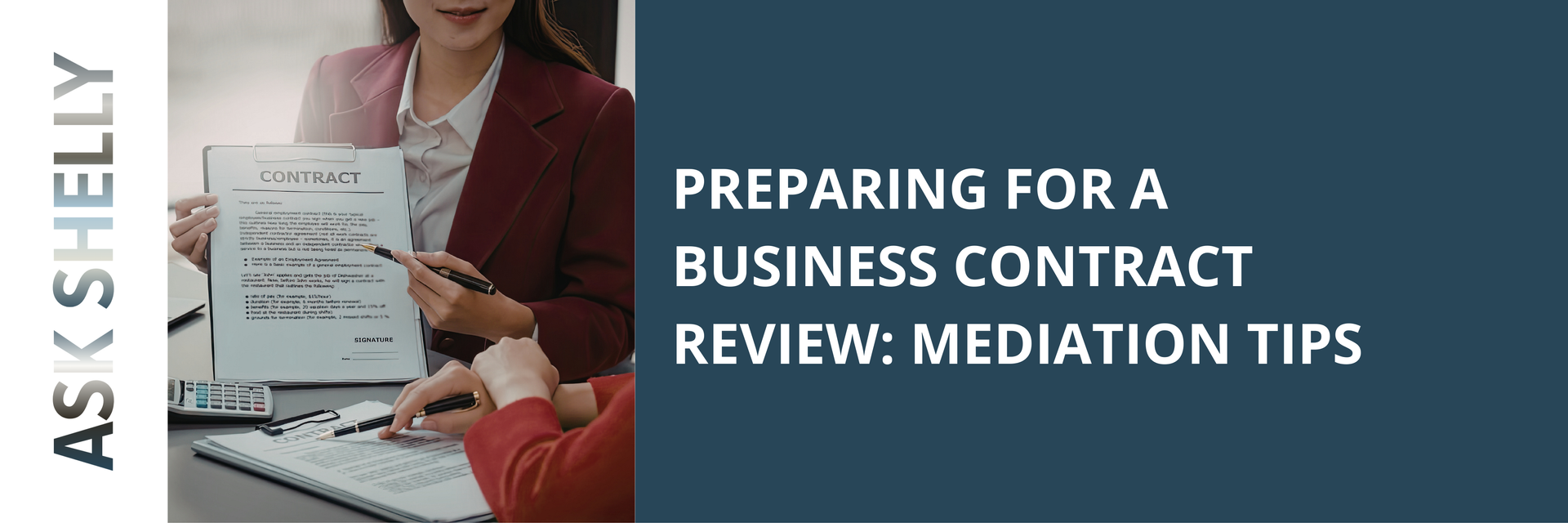
Preparing for a Business Contract Review: Mediation Tips
March 5, 2026
By Shelly Bouse
Preparing for a Business Contract Review: Mediation First
Key Highlights
Here are the key points to remember from our guide on getting ready for a business contract review:
- Doing a contract review often is important. This can help your business stay safe from potential risks and financial losses.
- Make sure you understand every part of the contract before you sign it. This stops legal disputes and problems in how you work later.
- If you put a mediation clause in first, it can help settle arguments without going to court. This will also save you time and money.
- Look out for red flags like vague language or unfair contract terms. These can lead to costly mistakes.
- Getting legal advice means your contracts will be fair, can be used in court, and match what your business wants.
As a business owner, you know that contracts are at the heart of what you do. They show what each side needs to do and help protect your interests. But, if you sign a contract without a contract review, it can lead to big problems. These can turn into costly legal disputes.
This guide will help you get ready for a contract review. You will learn why it is important, and why including mediation as the first step to fix problems can help your business save time, money, and stress.
Understanding the Basics of Business Contract Review
A contract review is your first line of defense for your business when you think about legal risks. It is not about taking a quick look. You need to take time to check everything, so all parts go your way and meet legal compliance rules. If you are a business owner, you have to know this process well because it is important for your long-term success.
Doing a thorough contract review will keep your business safe. It helps you see things like unclear terms, unfair parts, and hidden things you might have to do before they become a problem. If you do this now, you can avoid future disputes. Your business contracts will stay clear, fair, and something you can trust in court. Let’s look at what goes into a contract review and why every company just has to have this step for good results.
What Is a Business Contract Review?
A contract review in business means you read and check a contract before you sign it. The main idea is to look at everything, so you know the details are fair and clear. You want the contract to match what you and the other side talked about. This legal review helps you make sure the paper is right, full, and follows legal standards.
When you do this, you or a professional look at main parts of the business contracts. These areas include payment terms, who must do what, and how you can end the deal. This step lets you catch vague language or risky things that can make problems later. A contract is not finished until both sides agree. So, you get a chance to ask for changes during this review.
At the end, contract review is there to help you get a safe and good deal for your business interests. A contract that is legal and can be enforced is one that is clear, right by the law, and agreed by all the people in the deal. This kind of contract protects you if there is a fight about it down the line.
Why Every Business Needs Regular Contract Reviews
Every business, especially a small business, needs to do a regular contract review. You should always use a review process before signing anything. If you don't, the company can be in legal trouble that costs a lot and can take up time.
If you skip contract review, your small business can run into these problems:
- Hidden Liabilities: You may not see there are future costs or get locked into bad agreements.
- Unfair Terms: Many contracts are for one side more, and you might end up in a deal that isn't good for you.
- Legal Non-Compliance: Some deals might break local or federal laws, and this means you have no legal help when you need it.
That's the main reason small business owners should never ignore contract review. It helps keep your money safe, keeps your good name, and makes sure your business can run well. Getting legal advice can also make the review process better and easier for you.
Common Types of Business Contracts That Require Careful Review
All business contracts should be checked, but some have higher risks. These need a more thorough contract review. Often, these contracts deal with a lot of money, intellectual property, or have long partnerships. If you do not handle them well, they can lead to legal disputes later.
It is important to make sure these documents are clear and follow the law. Doing so protects your company. Let’s go over some business contracts that need more attention. This helps you avoid problems in the future and make sure you do not leave out any important parts.
Service and Vendor Agreements
A vendor agreement is a contract that sets out the rules for the goods or services your business gets. These contracts say what the vendor must give you, how you will make payment, and what the standards for work are. It is important to go over these agreements carefully. If schedules or the jobs are not clear, your business could have big problems with how it works or with money.
For instance, if a vendor agreement does not have a clear delivery time, this can cause slowdowns for your business. You might not be able to help your own customers in time. Also, sections that talk about intellectual property and confidential information must be clear. This keeps your private information safe and makes sure what you create is yours.
Online help can be a good starting point, but it may not fit what your business really needs. Taking time for a good review makes sure that rules for when something goes wrong are fair, and that the agreement helps build strong, long-lasting business relationships.
Partnership and Joint Venture Contracts
When you start a partnership or joint venture, the contract is your main guide. This sets out how you and others will work together. These agreements are very important, because many small businesses have costly problems if there are fights or confusion. One big mistake you want to avoid is not making it clear what each person has to do at the beginning.
To look after your business interests, you need to review contracts like this very closely. The agreement must say who gets what share of the profits, how anyone can leave the deal, and what to do if you get into a fight. Laying things out like this keeps you in line with legal compliance and helps everyone get good, favorable terms.
If you do not have a good contract, problems with money or plans can hurt the whole partnership. Taking time for a proper review helps make sure the rules are clear for everyone, lowers the chance for mix-ups, and protects what you have put into the venture.
The Role of Mediation in Contract Disputes
Even when you have the best business contracts, there can still be disagreements. If a breach of contract happens or there are other legal disputes, how you solve these issues is very important. By adding a dispute resolution clause that puts mediation first, you can do a lot of good for your business.
Mediation gives you and the other side a way to solve the problem together, instead of going straight to court. Going right into litigation can be very expensive and take up a lot of your time.
Mediation is a better, less harsh way to work things out. Now, let’s talk about what mediation is and why you should think about putting it in your business contracts. If you are dealing with a business dispute, you might want to try Mediation Services.
What Is Mediation and When Is It Used?
Mediation is a way to solve problems between people or businesses without going to court. In mediation, there is a person called a mediator. The mediator is neutral. This means the mediator does not take sides. The mediator does not decide who is right or wrong. Instead, they help both sides talk things through. The goal is for both parties to reach an agreement they can accept.
Many people use mediation in business for dispute resolution. It is helpful in the case of a dispute because it is faster and costs less than going to court. Mediation is also more private. This is good for legal disputes about contract terms, performance, or when there are payment issues.
Mediation can help your contract talks as well. It creates a place where both sides work together. When both sides agree to use mediation, they show they want to solve problems in a friendly way. If you need help, you can search for "Mediation Near Me" to find local legal services.
Advantages of Adding Mediation First in Your Contracts
Including mediation as the first step in your dispute resolution mechanisms gives your business some big advantages. It helps you set a good and open tone with the other side. It also can help you avoid long and expensive legal battles. Just adding this simple step to your contract can save your business a lot of stress and money if things go wrong. Costly litigation can really hurt a business, but mediation keeps things smooth.
Adding mediation to your business contracts can help you:
- Save Time and Money: Mediation is usually a lot quicker and costs less than going to court.
- Preserve Business Relationships: This way of solving disputes is not as harsh, so you and the other person may still work together when it’s done.
- Maintain Control: You both have a say in what happens and do not have to go with what a judge picks for you.
- Ensure Privacy: Mediation is private, so no one outside needs to know your business problems.
When you make mediation the first thing you do, you set up a plan that helps you talk things out and find common ground. It is a smart way to deal with any issues that come up in your contracts and look out for both your business relationships and your money.
Key Elements Every Business Contract Should Include
A good contract is easy to read and works well under the law. When you review contracts, you need to check for important parts and contract terms. This will help you make sure the deal protects your interests and meets all legal requirements.
If you miss any of these key points, the contract may not work like you want. This could put your business at risk. Let’s talk about the main clauses you should watch for and how you can make sure your contracts follow the law and can be used in court.
Essential Clauses to Watch For
When you review a contract, some clauses matter more than others because they shape the main part of your agreement. You need to pay close attention to these parts to avoid big problems later. How these are written can affect what the contract is really worth.
Be sure to look closely at these:
- Payment Terms: How and when do you get paid? Are there any extra charges if the payment is late?
- Termination Clause: How can each person end the contract? How much notice does the other person need to give?
- Confidential Information: What things do you have to keep private?
- Intellectual Property: Who will own the things made during the contract?
These important clauses set out your rights and what you need to do. It is a good idea to make sure they are clear and fair during your review process. A checklist can help you not to forget any of these key things.
Ensuring Enforceability and Legal Compliance
For a contract to be legally binding, it must be enforceable. This means it has to comply with all relevant state laws and federal laws. A contract that violates the law can be deemed invalid, leaving your business without any legal protection.
To ensure legal compliance, your contract should meet the basic requirements of contract law. This includes having a clear offer and acceptance, consideration (something of value exchanged), and the legal capacity of all parties to enter the agreement. The terms must also be for a legal purpose.
Here are key aspects to check for enforceability:
| Element | Description |
|---|---|
| Clear Language | The terms should be unambiguous and easy to understand to avoid disputes over interpretation. |
| Legal Purpose | The contract's objective must not violate any laws or public policy. |
| Written Form | Some contracts, like those for real estate, are required in law to be in wriring. |
| Proper Signatures | The contract must be signed by all parties who have the authority to do so. |
Major Red Flags and Mistakes in Business Contract Review
If you know what to look for in a contract review, you can catch problems early. This will help you avoid big legal risks. There are some red flags that show up in some contracts. These may mean that the contract is not fair or could hide some potential risks for your business. Spotting these warning signs is an important part of the review process.
If you ignore these red flags, you could face costly fights in court and have financial losses.
Let's talk about the common pitfalls to watch for. We will also go over the warning signs of unfair terms that may lead to you needing legal advice.
Common Pitfalls to Avoid During Review
The contract review process can take time and it is easy to make some costly mistakes. One of the most common pitfalls is not reading the whole contract. Many important details might be in the fine print or in appendices. You have to know that you are bound by everything in the contract, not just what you see upfront.
Many people also miss parts of the contract that use vague language. If a part is not clear, people can read it in more than one way, and that can lead to fights later. You should always ask if you do not understand a part or suggest a new way to write it so there is no question about what it means. Human error happens a lot, so it is important to use a review process that is strong and structured.
Here are some other common mistakes to avoid in the contract review process:
- Skipping the Basics: Make sure that names, dates, and amounts are all correct.
- Ignoring Blank Spaces: You should not sign any contract that has empty spaces because someone can add anything later and you are still at fault.
- Not Tracking Deadlines: Make reminders for key dates like when you will pay, renew the contract, or do other important things.
If you focus on these points, you can avoid many costly mistakes when you are dealing with contract review.
Warning Signs of Unfair or Risky Contract Terms
When you review contracts, you need to watch for red flags that show unfair terms. One big red flag is vague language. If you do not know what a part means, it can cause problems in the future. Unclear terms often lead to future disputes.
You should also look out for any clause that gives unlimited liability to your business. This means you could have to pay for all damages if anything goes wrong, with no maximum limit. If you do not review contracts well, you might agree to these risky terms without knowing it. Be careful with clauses that let one side change the terms whenever they want.
Always take time to read the fine print. Things like automatic renewals without telling you or big penalties for small problems are often hidden there. These unfair terms only help the other side and not you. Seeing these red flags early is a good way to protect your company.
Step-by-Step Preparation for a Business Contract Review
A good plan makes it simple to review contracts well and fast. When you get ready before you start, you will spot possible problems and make sure the contract fits your specific needs. This way, you can pay attention to what matters most and see if you need legal help.
Making a checklist and keeping your papers in order are helpful steps for contract review. Let's see how you can make a system that works every time you need to review contracts and look for any potential issues.
Creating a Contract Review Checklist
A contract review checklist is a helpful tool that every business owner should use. It helps you make sure you do not miss important parts during the review process. The checklist also helps you stay the same in the way you check all your agreements. You can adjust this contract review checklist to cover the key areas that matter most for your business and industry.
Start by writing down all the basic parts of a contract. Your checklist will help you check names, key dates, and other simple information. It will also help guide you when looking at more difficult sections that deal with payment terms, intellectual property, or things that can lead to risk for you.
Here are some things you should have in your contract review checklist:
- Are all parties and key dates clearly identified?
- Are the payment terms and schedule specific?
- Is the scope of work or deliverables well-defined?
- Who owns the intellectual property?
- What are the conditions for termination?
This easy tool makes the review process go more smoothly. It helps you see problems early, so they do not get bigger later.
How to Organize Your Documents and Information
Good contract review depends on how you organize things. Start by getting the main contract and any other documents that go with it, like attachments or appendices. Keep all parts together so you do not miss out on any details that could be important in side papers.
Now, many businesses use legal tech tools to help manage their business contracts. These tools let you store, look over, and keep track of agreements fast and in an easy way. They can be great when you need to know key dates or spot when it is time to renew or keep up with important deadlines. If you deal with more than one contract at the same time, this kind of order is a must.
No matter if you use a digital setup or you go for a paper method, make sure your work keeps your sensitive business information safe. While AI and easy templates can save time with this process, you still need a lawyer’s help for any tough or big contracts.
Engaging a Contract Review Lawyer or Legal Counsel
You can look over easy contracts by yourself, but sometimes you need help from legal professionals. A contract lawyer can help a lot in the review process. They see risks and other things you may not notice. A lawyer review can make your business more safe.
It's a good idea to get legal services when the contract is a big deal. If making the wrong choice could cost you a lot of money or lead to more trouble, an attorney can help. Now, let's look at when to get help from a lawyer and what happens in a professional legal review.
When to Consult a Contract Attorney
Knowing when to get help from a business lawyer is important. You do not need legal advice for every small deal. But, you should ask an experienced attorney for help with contracts that can have a big effect on your business. The best time to talk to the lawyer is before you sign anything.
It is a good idea to have an attorney review contracts in these times:
- High-Value Agreements: For contracts with a lot of money or that keep you paying or receiving money for a long time.
- Complex or Unfamiliar Terms: When you do not really know what the words mean or what could happen.
- High-Risk Industries: If your business deals a lot with rules or codes, like in healthcare or finance, you should always get legal counsel.
A person who knows contract law well can help you with big words in contracts and help you get a better deal. This is a good move that can make you feel good and keep your business safe.
What to Expect From a Professional Legal Review
When you bring in legal professionals for a legal review, you can look forward to a process where people work together closely. The attorney will talk with you to learn about your goals and get the full picture of the agreement. This first meeting is important because it helps the lawyer give you advice that fits your needs.
After that, the lawyer will do a thorough contract review. The attorney will go through the contract line by line. They will look for potential risks, see if the contract matches applicable laws, and point out any terms that seem unfair or hard to understand. This way, nothing important will get missed during the legal review.
When the review is done, the attorney will share simple next steps for you. These steps will help you fix or improve any parts of the contract that are not strong or fair enough. The lawyer can also work with you if you need to talk with the other side in negotiations. Having this help from legal professionals not only keeps you away from risk but also helps your business growth over time.
Getting ready for a contract review for your business needs some early thought and smart steps. When you focus on mediation first for any possible problems, you help both sides work together. This can also help you save time and money. Knowing the important parts of your business contracts and watching out for common pitfalls is key. It helps make sure every contract can be used in court and keeps your best interests safe. Checking your contracts often can stop big problems before they happen. If you want help to keep your business contracts safe, you can book a free talk with our team. We will go over the best ways to do a contract review that works for you.
Frequently Asked Questions
How can mediation benefit my business contract negotiations?
Mediation helps your business because it is a low-cost and team-like way to handle dispute resolution. If you are a business owner, adding it to your business contracts shows that you want to solve legal disputes in a friendly way. This can help keep key relationships strong and keep you out of costly court fights, which is good for your bottom line.
Can online templates or AI tools replace a contract lawyer?
Legal tech tools and templates can help with the first step of contract review. But, they cannot take the place of good legal advice from a business lawyer. A lawyer knows your situation well. That means he or she can check details that legal tech tools may not notice during the review process. This helps make sure your agreements meet all the rules and protect you.
What happens if we skip mediation and go straight to litigation?
If you skip mediation and go straight to court for dispute resolution, you may face costly litigation, hurt business relationships, and face big legal risks. Legal disputes about a breach of contract can take months or even years to solve in court. This can use up your time and resources fast.
Other insights
More from BOUSE Mediation