Latest insights
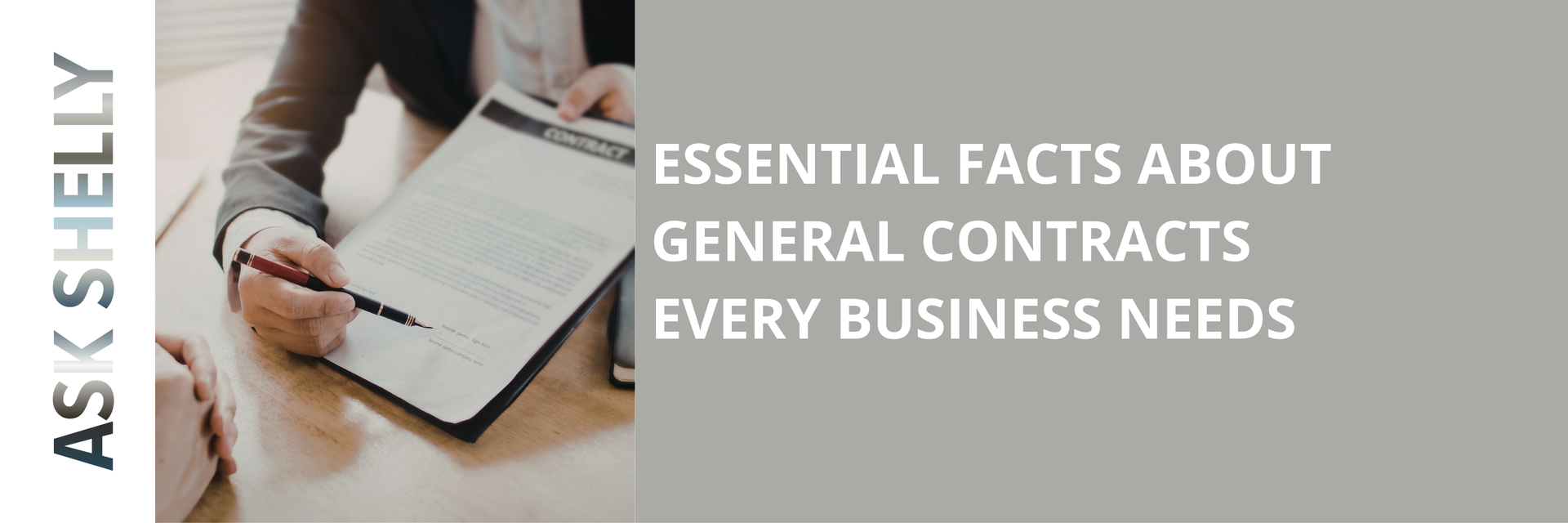
Essential Facts About General Contracts Every Business Needs
March 5, 2026
By Shelly Bouse
General Contracts: Important Facts Every Business Should Know

Key Highlights
Here are the key takeaways from our discussion on general contracts:
- A valid contract is a legally binding agreement that requires six essential elements to be enforceable.
- These elements include an offer, acceptance, awareness, consideration, capacity, and legality.
- Understanding the different types of contracts helps you choose the right one for various business transactions.
- A general contract differs from a general contractor contract, which is specific to construction projects.
- Avoiding common drafting mistakes ensures your binding contract is clear and protects your interests.
- Proper contract management is crucial for making an enforceable contract that avoids future disputes.
Contracts are the base of almost every business relationship you will have. But not every agreement can be enforced by law. It is important to know what makes a strong contract because this will help protect your business. This blog post is for general information purposes and will explain the basics of general contracts in different business settings. If you are hiring someone, buying goods, or working with another company, you need to know which type of contract to use and what should be in it. This can help you avoid big problems later on.
Understanding General Contracts in Business
A general contract is a type of binding contract. It is a legally binding contract that lists the rights and duties for all people in different business transactions. These contract documents give you a clear and enforceable record of your agreement. This helps everyone stay away from misunderstandings.
You can think of a general contract as a roadmap for your business deal. The contract makes sure all people know what to expect. It sets rules for payments and tells what will happen if something goes wrong or does not go as you planned.
Now, let's look at what makes this kind of contract "general" and see why it is so good for your business.
What Makes a Contract “General” in Nature
A contract is called "general" because it has the main parts that make any contract work in most business deals. It is not made just for one industry with special rules. This contract type is useful for many different kinds of agreements.
For a contract to be valid, it needs an offer from one side and acceptance from the other. There must also be a "meeting of the minds" where everyone fully understands what is in the deal. An exchange of value between the parties, the legal ability of everyone to make this deal, and a lawful purpose are also needed.
These basic parts make a contract a binding contract. So, if you are hiring a consultant, buying supplies, or even leasing office space, you can use this contract. The general contract is based on clear, strong legal ideas, and that is why it works well for so many business dealings.
Key Purposes of General Contracts for Businesses
The main goal of a general contract is to bring clarity and security to your business. It takes an agreement and makes it official and legally binding. This gives all people in the deal a clear mutual understanding right from the start.
When you have a contract with specific terms, you can lower the chance of fights or problems later. Good contract management helps so everyone knows what they have to do. It also gives each side a legal right to act if the other party does not do what they promised.
Key purposes include:
- Setting clear expectations and responsibilities.
- Giving a way for legal enforceability and dispute resolution.
- Managing risk and keeping your business safe.
- Making sure payment terms are followed and deadlines are met.
Essential Elements of a General Contract
For any contract to be legally good, it has to have some key parts. These are called the essential elements of a contract. If your agreement does not have these, it may not hold up in court. At the center of every contract is a clear offer and the acceptance of the offer.
There also has to be an exchange of value. This means that both sides give something and get something. Each of these things is important because they help make sure the agreement is fair. These elements of a contract protect both people who are part of the deal. Let's take a closer look at what the essential elements are and why they are so important.
Offer and Acceptance Explained
An offer is where any contract begins. One person gives a clear proposal to another person. This proposal lays out the specific terms of the offer. For it to be valid, the person must share it in a way that shows they want to be held to those terms if the other person agrees.
Acceptance is the next step. This is a clear and unconditional "yes" to what is being offered. The acceptance of the offer must match the original specific terms. If someone changes any part, then it’s not acceptance. That is called a counteroffer, and it means people have to start talking things over again. This "meeting of the minds" is important to create a deal.
The whole process is there to make sure there is mutual consent. Both people need to agree to the same things at the same time. Usually, just doing nothing or saying nothing doesn’t count as acceptance. There has to be a clear action or words showing everyone is set to go.
Consideration and Its Significance
Consideration is what makes a binding contract work both ways. It is the "what's in it for me?" part of the deal. This means there has to be an exchange of value between the parties. It is not always about money. The exchange can be goods, services, or even a promise to do something or to not do something.
This part is important because it proves the agreement is between both sides and not just a gift from one to the other. Each party must give something and get something back. This is how there are mutual obligations, which the law will recognize. It helps make the contract even and fair.
If there is no consideration, the agreement is usually not enforceable. Consideration is the part that sets a binding contract apart from just a promise. In all business transactions, it is important to have a clear exchange of value. This is needed to make a strong legal agreement.
Legal Capacity and Legality Requirements
For someone to sign a contract, they need to be allowed by law to do so. This means the person should be old enough, usually 18 or more. They also need to be able to understand what the contract is about and what it could mean for them. If someone does not have this ability, the contract might not work. The law may let you end it.
If someone is signing for a company, that person must have the right to speak for the company. This shows corporate authority. The reason for the contract also needs to be legal. If you make an agreement to do something that is against the law, it is not a contract. Courts will not support this because it goes against public policy.
Key legality requirements include:
- The contract's purpose must not break any federal, state, or local law.
- The agreement must not go against public policy, like agreeing to commit fraud.
General Contract vs General Contractor Contract
While these two names may look alike, a general contract and a general contractor contract are not the same thing. A general contract is a broad type of contract. You can use it for many business deals. These deals may be about sales or services. Think of a general contract as an all-purpose legal document that is very flexible.
There is also a general contractor contract. This type of contract is not general at all. It is made only for construction projects. It shows the details of the work between the property owner and the general contractor. The general contractor is the person hired to run the job. Let’s take a look at how their scope and the way people use them are different.
Main Differences in Scope and Use
The primary difference lies in their application and specificity. A general contract is a flexible template for various business agreements, from service provisions to purchase orders. Its scope is broad and adaptable.
In contrast, a general contractor contract is tailored for the construction industry. It details the scope of a project, including responsibilities for managing the job site, hiring subcontractors, and ensuring the work is completed according to plans. These contract documents are much more detailed regarding project-specific elements.
Here's a simple breakdown of the differences:
| Feature | General Contract | General Contractor Contract |
|---|---|---|
| Use Case | Versatile for many business transactions (e.g., sales, services, leases). | Specifically for construction projects. |
| Parties Involved | Any two or more parties in a business deal. | Typically a property owner and a general contractor. |
| Scope | Broad and adaptable to the agreement. | Detailed, covering project scope, timelines, materials, and job site management. |
| Industry | Applicable across all industries. | Primarily used in the construction industry. |
Examples of Each Type of Document
To make this point clearer, let’s look at a few everyday examples. General contracts are formal documents that you see in many types of business work. These contracts help make things clear and legal in different situations.
Examples of general contracts:
- Service Agreements, like those for marketing or IT support
- Sales Contracts for goods
- Purchase Orders
- Employment Agreements
- Lease Agreements for office space
A general contractor contract is different. You use this in building projects. The general contractor signs this with the owner. They may also use other contracts, such as a materials contract or agreements with subcontractors based on unit price, to help finish the work.
Common Types of General Contracts Across Industries
Businesses use many types of contracts to run their work and manage how they connect with others. The contract you use will change based on the kind of business transactions you have. Each contract helps set clear rules. This gives legal protection to everyone in the deal.
You will see these agreements used for many things, such as hiring services or closing sales. Each type of contract is made for its own reason. If you know about the different types of contracts, you can pick the right one for your needs. Now, let's go over some of the most common types of contracts that many industries use.
Service Agreements and Supply Contracts
Service agreements are very common. In these, one party says they will give a service to another. The contract explains what the work is, when it will be finished, and what the payment terms are. This helps both sides know what to expect. The agreement is a legally binding agreement. It helps protect both the service provider and the client.
In the same way, supply contracts are important for companies that need a regular flow of goods or materials. These contracts say how much will be sent, the quality, when goods will arrive, and the price. This keeps the supply chain steady and reliable.
Key elements in these contracts often include:
- A clear description of services or goods
- Detailed payment terms and schedule
- Timelines and delivery dates
- Conditions for termination of the agreement
Purchase Orders and Sales Contracts
Purchase orders, or POs, are used by a buyer to ask for goods or services from a seller. They are a kind of basic contract. A PO may not always be as formal as a contract. But the moment the seller agrees, the PO is a real legal deal. The PO will show things like what will be ordered, how many, how much it will cost, and when it needs to be delivered.
Sales contracts are different because they usually have more detail. These contracts are used when a business or a large amount of goods is being sold. A sales contract will list all the specific terms. It will talk about things like promises made during the sale, who handles problems, and how the change of owners will happen.
In most business settings, these papers are very important. They give clear records for every deal. They also help both sides stay out of arguments by making sure the seller and the buyer both know what is agreed on before anything is given or paid for.
Basic Legal Guidelines When Creating General Contracts
When you write a legal agreement, it helps to follow some easy steps. This can help you make an enforceable contract. The main aim is to keep the document clear, fair for both sides, and right in law. Even though this is not the same as legal advice from a lawyer, it still helps to know these basics.
When you stick to contract law rules, your agreement will work for you if there is a problem or if people can’t agree later. It is smart to put in all the important parts and know what makes an agreement legal. These easy steps can protect your business. In this guide, you will find some must-have parts and see what you need to make a contract binding.
Must-Have Clauses for Legal Protection
To make sure your contract gives you enough legal protection, you should add some key parts. These help make the terms of an agreement clear. They also lay out what to do if things go wrong, which can save you and other people both time and money.
A dispute resolution part is very important. It says how the two sides will deal with problems, like using mediation or arbitration instead of going to court. These ways will often cost less. At Shelly Bouse, we see that adding options like Mediation can stop long legal fights from even starting. If you want Mediation Services, it is a good idea to put this in your contract.
Here are some clauses you should add:
- Confidentiality: This keeps any important information private.
- Termination: This part tells how and why the contract can stop.
- Dispute Resolution: This shows steps like searching for "Mediation Near Me" or any other way you both agree on.
- Limitation of Liability: This puts a limit on how much one person can ask for in damages.
- Governing Law: This says which state or place’s laws the contract will follow.
Legal Enforceability in the United States
For a contract to be an enforceable contract in the United States, it needs all the essential elements. These are offer, acceptance, consideration, capacity, and legality. If one of these elements is not there, a court will likely not make the parties keep the agreement.
State laws may not be the same everywhere. What a contract needs in one state could change in another. Some types of contracts, such as contracts for real estate, must be in writing. A verbal agreement is no good for those cases.
If someone does not stick to the contract, the court can step in. The person who was hurt by breaking the contract may get money. Sometimes, the court might order specific performance. This means the person who broke the contract must do what they promised to do. For an important or detailed agreement, it is smart to get legal advice.
Drafting Tips: Mistakes to Avoid and Best Practices
Writing a good written contract is both a skill and a careful process. If you follow the best practices in contract management, you can keep away from many mistakes that often lead to trouble. The aim is to have a paper that is simple, has all the needed details, and is fair for everyone in the business transactions.
A strong contract can see problems before they happen and deals with them early. If you stay aware of the normal mistakes and take time for a full check, you can make deals that keep your needs safe and help create good business bonds. Now, let’s see the usual errors and find the best way to finish your contracts in the right way.
Common Drafting Errors That Cause Problems
Simple drafting mistakes can cause big problems. These mistakes may even lead to a breach of contract. One issue is unclear language. If the terms of the contract are not clear, people can read them in more than one way. This often brings arguments and trouble later.
Another error is not saying what will happen if things go wrong. The contract should talk about what to do if there is a delay or a surprise event. Every good contract plans for problems. Not adding a dispute resolution clause is risky, too. If you do not use one, you may only have court to solve a fight. This could bring punitive damages.
Here are some errors you should avoid:
- Using words that are not clear or that can mean more than one thing.
- Trusting only a spoken promise instead of getting everything written down.
- Not writing when the deal ends or how it can start again.
- Forgetting to set out what each person has to do and when to do it.
- Not saying how fights or disputes will be worked out.
Steps for Reviewing and Finalizing General Contracts
Reading contracts with care before you finish them is an important part of proper contract management. Don't rush this. Go through the legal document to make sure it matches what you understand about the deal. It can be good to ask someone you trust, like a coworker or a lawyer, to look at it too.
As you check the contract, look for parts that are clear and match up. Make sure nothing is left out. All the important terms should be explained, and there should not be any confusing words.
Check that dates, amounts, and what you have to do are all right. This is the last time to find any mistakes before the contract is set in stone.
Here are key steps for finalizing a contract:
- Read every clause carefully to ensure you understand it.
- Verify that all names, dates, and figures are accurate.
- Confirm the contract includes all necessary clauses, like dispute resolution.
- Ensure all parties sign the final document.
General Contracts in Construction Projects
General contract rules are at the heart of all construction projects, even when there are special agreements for each job. The contract documents explain how things will work between the property owner and the general contractor or construction manager. They tell you the scope, budget, and timeline for the whole project.
These agreements help people handle the hard parts of construction, like working with all the labor, and getting the right materials. They give everyone a clear path so the job gets done the right way. The contract documents also offer the legal setup that keeps things on track from start to finish. Now, let's take a look at the way these contracts are used in construction projects and the rules that are special in this field.
How General Contracts are Used in Construction
In construction, the general contract is the main deal made between the owner and the general contractor. This paper lays out what the contractor must do. The contractor has to take care of the whole job site. This means he has to hire workers, make sure everyone follows safety rules, and handle problems that come up.
The contract will say how the contractor will get paid. It might be a fixed price for the whole job or based on unit pricing for each part. The contract also talks about how to get materials and how labor costs will be paid. Sometimes, the general contractor will make another deal, like a materials contract, with someone who brings the needed items.
General contracts in construction are used to:
- Define what the project must cover and how long it will take.
- Set the budget and let everyone know when and how payment will happen.
- Make clear who will handle labor, materials, and the work on the job site.
- Explain when and how the project will be finished and handed over.
Standard Provisions Unique to Construction Agreements
Construction contracts have many common rules that are made just for work in the construction industry. These parts of the contract help manage what people want and deal with problems like work delays or going over your budget. For example, a “change order” part of the contract makes it possible to change the work or the price if something in the plan must be changed.
Another big part of the contract is about what to do if you find something you did not expect at the site or if there are cost overruns. Some contracts in the construction industry use a fixed price, so the builder must pay if costs go up. Other contracts use a “cost-plus” setup, so the owner pays for the real costs and gives a fee on top.
Some important contract parts you often see in the construction industry are:
- Indemnification clauses: These protect people from being blamed if something bad happens.
- Insurance requirements: These say what kind of insurance people must have.
- Liquidated damages: These are fees set ahead of time for if there is a delay.
- Warranty periods: These cover work even after the project ends.
- Force majeure: These talk about what happens if something big and out of control stops work.
Templates, Formats, and Where to Find General Contract Samples
If you want to put together a written contract, you do not have to begin with a blank page.
There are many contract documents and templates out there. These can be a good starting point when you need a legal agreement. The use of a template will help you get all the important parts and terms in your contract.
Still, you should keep in mind that these are only samples. You have to change them to match your deal. Now, let's check out some top contract documents and see where you can find trusted samples to use as you write.
Recommended Sample Formats for General Contracts
When you want to find sample formats, it's good to pick templates that are easy to use, look serious, and cover all the essential elements. Good formal documents should have clear sections for everything you need. This way, you can read and get what is in them fast.
Try to find templates that have spots for the specific terms you want, like the scope of work, payment terms, and timelines. With these sections, you can change the document to fit your own business transactions much better. When a template is set up in a good way, it helps you not miss anything important.
A good sample format should include sections for:
- The parties involved in the agreement.
- Detailed description of obligations and deliverables.
- Payment terms and schedule.
- Clauses for termination, confidentiality, and dispute resolution.
Resources for U.S.-Based Sample Contracts
In the United States, you can find many places online where sample contracts are shared. These are good for general information purposes. They give you a strong base to work with when you need to make an agreement. But, remember to change them to fit your needs. It is also a good idea to have a law expert look at them.
A lot of law tech firms and business groups put out free templates on their web pages. There are even sample contracts and tools from government sites like the Small Business Administration (SBA). These can help because they usually follow U.S. laws.
Here are some places to look for sample contracts:
- Legal service websites (e.g., Rocket Lawyer, LegalZoom)
- Industry-specific trade association websites
- U.S. Small Business Administration (SBA)
- University law school websites with free resource centers
- Your local Chamber of Commerce
General Contracts vs Other Types of Business Contracts
A general contract is something people use for many normal business transactions. This contract is basic and works for different kinds of work or deals. But there are times when you need a more special type of contract. A specialty contract is made for one industry or a clear situation. It usually has terms you will not see in a normal contract.
It’s good to know the difference between each type of contract. This will help you pick the best one for your needs. While a general contract can be used for the most part, a specialty contract will fit better in some cases. It can give you clearer rules and better safety for both sides. Now, let’s look at what makes each contract different and talk about how to choose the right type of contract for your work and business transactions.
How They Differ from Specialty Contracts
The main difference between these contracts is how much detail and custom work they have. General contracts talk about things that most business settings need. They cover the basics. Specialty contracts, on the other hand, have special parts that are made for one kind of situation. For example, a written contract for real estate or a deal about intellectual property will have different details.
Take a software licensing agreement. It says rules about how you can use and share the software. A normal sales contract would not have these. An implied contract is formed by what people do, not just the words they say or write. This makes it stand out from a usual written contract.
Specialty contracts often have these:
- Industry-specific words and rules.
- Special things related to what the contract is about, like property rights.
- Parts that talk about certain risks in that area.
- More details on how to follow rules and laws.
Each type of contract fits what you need in your business settings. An implied contract works by actions, but a written contract shows everything clearly.
Choosing the Right Contract for Your Needs
Choosing the right type of contract matters a lot when you want to have good contract management. In most normal business settings, a general contract will work well. This type of contract gives a legal agreement that you need when you buy goods or hire someone as a consultant.
But, if your deal has to do with hard rules, valuable ideas you want to protect, or things that come with high risk, then you may want to go with a special kind of contract. The more new or tricky the case is, the more you need a contract made just for you to make sure your needs are safe.
When picking the contract you want, think about:
- The nature of the transaction: Is it just a sale, or is there more with a complex partnership?
- The industry: Does your field have special rules you need to follow?
- The risks involved: Are there big money or legal issues that you must handle?
- The long-term relationship: Is this something you do once, or will it go on for a long time?
Make sure you pick the best contract to fit your needs with proper contract management. Having the right legal agreement in your business settings can help you stay safe and be ready for anything.
It's very important for any business to know about general contracts. These contracts are the base of agreements in many fields. The essential elements, like the offer and the acceptance, matter a lot. You must know the rules for making and checking contracts. This helps you keep what is yours and also makes sure your contract is legal.
If you watch out for common mistakes in your writing and use the right templates, you will find that handling general contracts can be easier. If you want to know more about how to manage your contracts the right way, think about booking a free talk with our experts today!
Frequently Asked Questions
What are the main elements every general contract should have?
For a valid contract, there are six things you must have. These are: a clear offer, acceptance of the offer, both sides knowing what they are getting into (a meeting of the minds), an exchange of value (called consideration), both sides having the legal right to make the deal, and the deal's purpose must be lawful. If any of these are missing, it may not be a legally binding contract. These essential elements are what can make a binding contract work.
Are there standard forms businesses can use to create a general contract?
Yes, you can find many sample formats and templates to help you make a written contract. People get these contract documents on legal service websites and business resource centers. They can use them for general information purposes. But, it is important to change them a bit so the legal agreement fits your needs.
What legal issues typically arise from poorly drafted general contracts?
Poorly written contracts with mistakes can often cause a breach of contract. There may be fights over unclear terms. This can lead to costly lawsuits. If you do not have an enforceable contract, it will be hard to get possible remedies. Sometimes, the court may even give punitive damages if there is bad behavior.
Other insights
More from BOUSE Mediation