One decision at a time
HOA Mediation
Peaceful Coexistence

Format
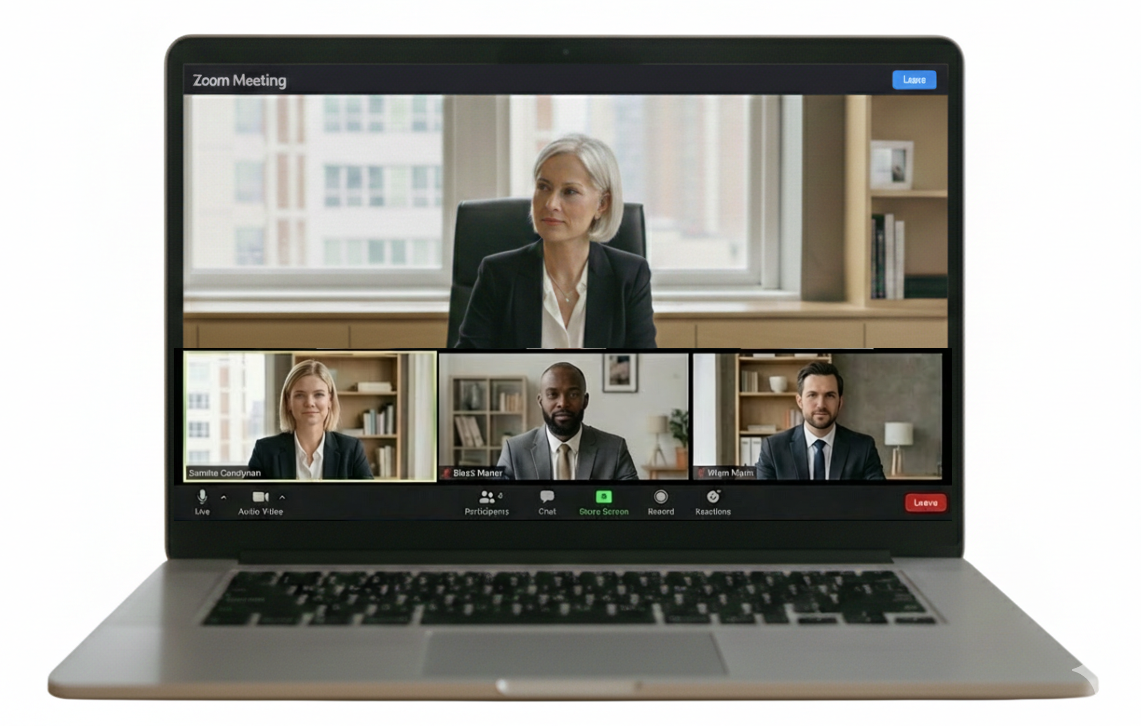
Online (Zoom) · In-person (Copenhagen) · Hybrid
Duration
1 session (2–3 hours) — or ongoing advisory on request
Best for
HOA Boards, Neighbors, and Local Non-Profits.
This is perfect for resolving "quality of life" issues—think property lines, noise complaints, or disagreements over common area usage.
It is particularly effective for those who must continue living or working near each other after the dispute is settled.
Price
Ask us
Who needs this?
You may benefit from mediation if you:
- Are an HOA Board Member dealing with a homeowner who is consistently violating bylaws but refusing to pay fines.
- Are a neighbor involved in a property line or "nuisance" (noise/pet) dispute where you still have to live next door to each other.
- Lead a local non-profit or volunteer group that has split into factions over a specific decision or direction.
- Want to resolve a "quality of life" issue quickly without involving local law enforcement or expensive civil litigation.
How we help
- Initial Assessment & Objectives — We begin by understanding your situation, priorities, and the context, including any risks or considerations involved.
- Documentation & Review — We prepare, review, and refine relevant documents, agreements, or materials with a focus on clarity, accuracy, and soundness.
- Advisory Support & Engagement — We provide guidance and structure as needed, supporting discussions, negotiations, or interactions with relevant parties.
- Ongoing Guidance — As circumstances evolve, we remain available to provide continued advice and adapt strategies accordingly.
Why Choose Mediation?
The Golden Rule of Mediation: It is best suited for those who want control over the outcome. In court, a judge decides your fate; in mediation, you decide the resolution.
Get Help Now
Quick Case Assessment
Schedule a free consultation so we'll walk you through your situation and help confirm whether mediation is the right solution for you.

We got it.
Thank you for contacting us. We’ll get back to you as soon as possible.
Get in touch
Faqs
Frequently asked questions
What types of neighborhood conflicts can community mediation resolve?
Community mediation is designed for "quality of life" issues. Common cases include HOA board disputes, property line or fence disagreements, noise complaints, pet-related nuisances, and internal conflicts within local non-profits or volunteer groups. If you need to maintain a relationship with the person you are in conflict with, mediation is the best path forward.
Why is mediation better for HOA disputes than legal action?
Mediation is significantly faster and less expensive than civil litigation. For HOA boards and homeowners, it provides a neutral space to address bylaw violations or fine disputes without the adversarial environment of a courtroom. It helps preserve the community atmosphere by focusing on a collaborative resolution rather than a "winner takes all" verdict.
How does community mediation work if I have to live next door to the other party?
This is exactly where mediation shines. Unlike a court case, which can create lifelong enemies, mediation focuses on peaceful coexistence. We work together to find a sustainable solution that allows both parties to move forward with their privacy and dignity intact.
Can we use mediation if our local non-profit board has split into factions?
Yes. When a group is divided over a specific direction or decision, a neutral third-party mediator can help bridge the communication gap. We facilitate a structured discussion to help the group return to its core mission and find a path that the majority—or the entire board—can support.
Do I need to be in Lenexa or Kansas City to use your services?
Not at all. While I am a Kansas Supreme Court Approved mediator serving the local area, I offer online community mediation sessions via Zoom. This is often more convenient for busy homeowners and board members, and it allows me to help communities across the state and nationwide.
What if the other person refuses to participate in mediation?
Mediation is a voluntary process. During our initial free consultation, we can discuss strategies for inviting the other party to the table. Often, when they realize mediation is a way to avoid court costs and keep the dispute private, they are more willing to participate.